The Importance of Play-Based Learning in Early Years
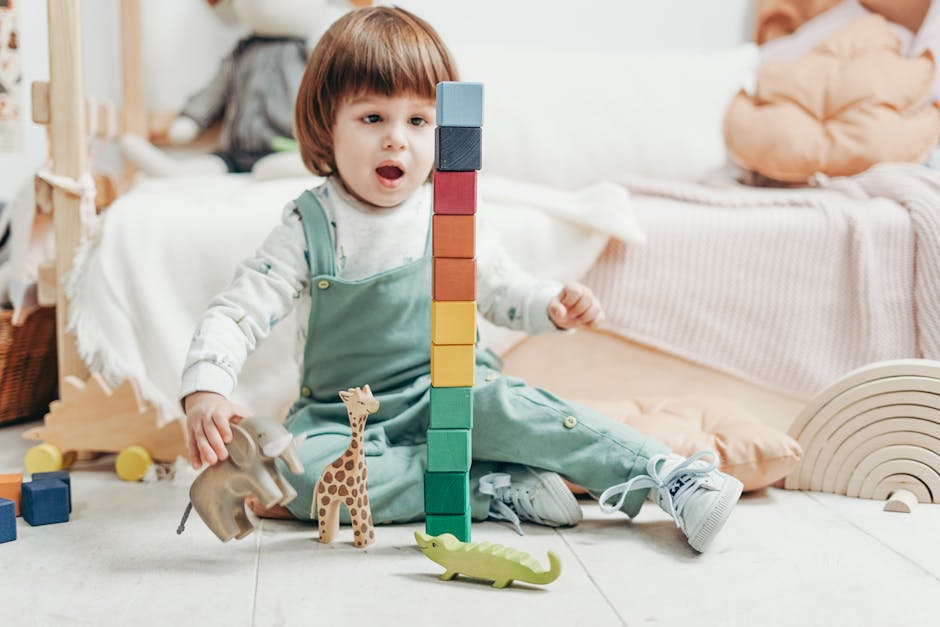
In the early years, play is not a distraction from learning—it is the learning. Yet many parents wonder if their children are getting enough "proper" education at nursery. Understanding the value of play-based learning helps you see why it's so important.
What is Play-Based Learning?
Play-based learning means children explore, experiment, and discover through play rather than formal instruction. A child building with blocks isn't just playing; they're learning about balance, spatial awareness, problem-solving, and physics.
Developing Essential Skills
Through play, children develop:
- Social skills: Sharing toys, taking turns, and cooperating with friends
- Emotional intelligence: Managing feelings and understanding others' emotions
- Communication: Talking, listening, and expressing ideas
- Creativity: Imagining, problem-solving, and thinking flexibly
- Physical development: Fine and gross motor skills through movement
Learning Through Discovery
When children play freely, they ask questions and find answers themselves. A child pouring water into containers learns about volume and cause-and-effect without being told. This self-directed discovery creates deeper, more lasting understanding than passive instruction.
Building Confidence and Independence
Play gives children opportunities to make choices, take risks in safe environments, and learn from mistakes. This builds resilience and confidence. A child who figures out how to stack blocks higher than yesterday feels proud and capable.
Supporting Different Learning Styles
Children learn differently. Some are visual, some learn by doing, others by listening. Play-based settings naturally accommodate all learning styles. A story corner suits visual and listening learners; the sand table suits hands-on learners.
The Role of Nursery Staff
Good nursery staff don't just supervise play; they extend learning through observation and gentle guidance. They ask open-ended questions like "What happens if you add more sand?" rather than directing the child.
Balancing Structure and Freedom
Quality nurseries balance free play with structured activities. Both matter. Free play allows self-directed exploration; structured activities introduce new concepts and skills. Together, they support well-rounded development.
When you see your child playing at nursery, they're not just having fun—they're developing the foundations for all future learning. Trust the process.